







CAREERS that CHANGE lives
Exceptional students, outstanding, award-winning faculty and curriculum combines to make the Institute of Health Sciences; a nationally recognized CAAHEP accredited organization that promotes innovative educational opportunities for the adult student interested in a career in allied health.
CONVENIENCE of Online Learning…
Based on YOUR Schedule
Distance education is designed for the adult on the go. Whether you’re working around a young family, part time or full time job or a daily routine filled with activities, we accommodate your schedule – anytime, anywhere.
PROGRAM INFORMATION
Neurodiagnostic Department
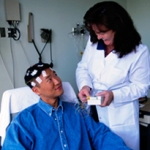 The Neurodiagnostic Department (NDT) at Institute of Health Sciences offers training in Electroneurodiagnostic technology. Professionals in this health science field study and record the electrical activity of the central, peripheral and autonomic nervous systems using sophisticated electronic testing equipment.
Continuing Education
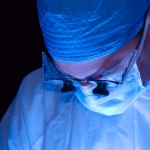 The Continuing Ed Program at Institute of Health Sciences offers continuing educational training in Intraoperative Monitoring and health sciences. Please visit Sleep Academy for an outstanding overview of sleep medicine hosted by Dr. Brian Bohner, a nationally recognized leader in sleep medicine.